Doctors Reveal the ‘Invisible Condition’ Haunting Shark Attack Survivor Leah Stewart…
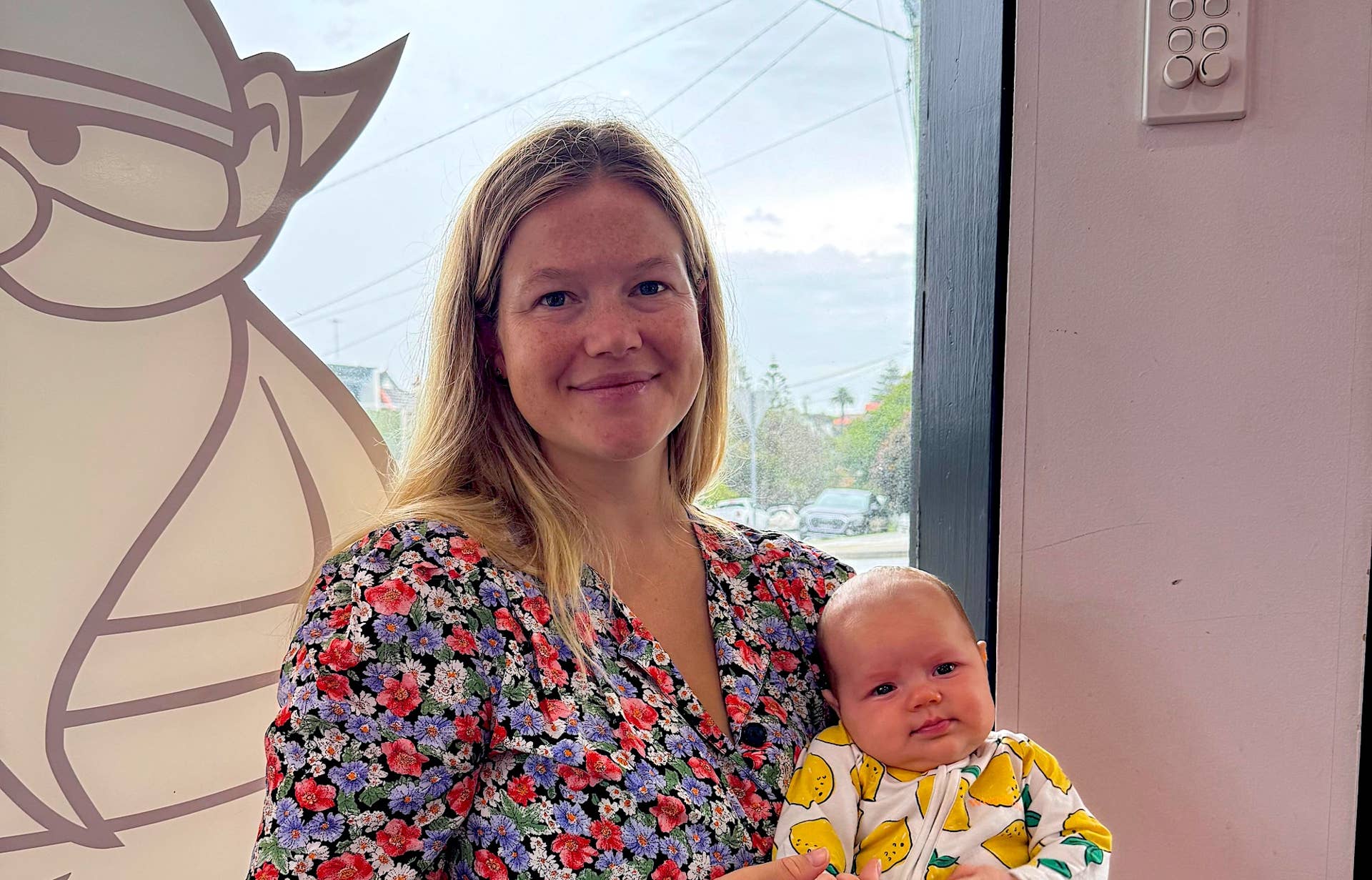
It is a cruel biological paradox: the very survival instincts that kept Leah Stewart alive in the jaws of a great white shark are now the exact things complicating her recovery. The 34-year-old Coogee Beach shark attack survivor has already endured multiple intensive surgeries and the tragic amputation of her arm. But as she fights to reclaim her life as a mother and an educator, she has hit a devastating wall. Medical experts are sounding the alarm on a severe, invisible condition that follows survivors of violent apex predator attacks—a neurological hijacking that traps the victim’s brain in a permanent state of terror, actively blocking the body’s fundamental ability to heal.
The Catastrophic Physical Toll
Discover more
TV & Video
TV Reality Shows
TV Talk Shows
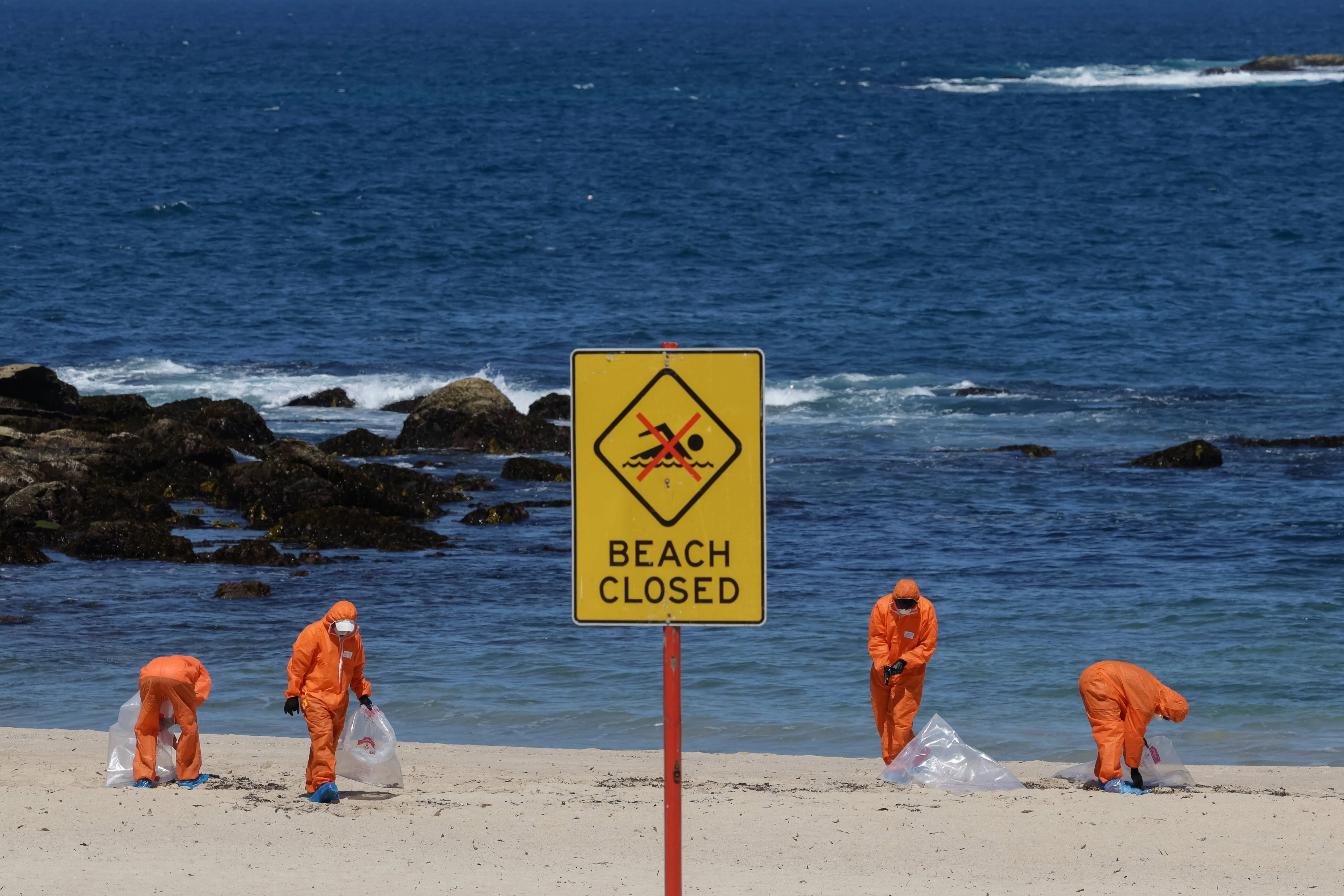
The sheer physical trauma of the June 13 attack is difficult to comprehend. When Leah was pulled from the waters of Coogee Beach, her life hung by the thinnest of threads. Medical teams worked tirelessly to save her, ultimately having to perform a life-saving amputation of one arm while meticulously repairing severe nerve and tendon damage to her remaining limbs. The physical wounds, though catastrophic, have begun to slowly close. However, the true battle has shifted from the surgical theater to the quiet, agonizing isolation of her hospital room.
A Mind Refusing to Rest
Recently, Leah’s family provided a heartbreaking update that shifted the public’s understanding of her daily struggle. They revealed that despite surviving the initial trauma, Leah is now suffering from crippling insomnia. She is entirely unable to find the deep, restorative rest her body so desperately requires to repair itself. This is not just the standard restlessness of a hospital patient; it is an exhausting, round-the-clock state of high alert that leaves her drained and vulnerable.
The Chilling Medical Reality
Dr. Amanda Vance, a Sydney-based sleep specialist and clinical neurologist, sheds light on the chilling reality behind this exhaustion. According to Dr. Vance, Leah is experiencing a severe hyper-activation of her amygdala—the brain’s primal fear center. During the violent encounter, her nervous system flooded her body with adrenaline and cortisol to keep her alive.
The tragic reality is that her brain never received the chemical signal that the attack had ended. Neurologically speaking, Leah’s mind still thinks she is in the water, desperately fighting off a massive predator.
Discover more
TV Reality Shows
TV & Video
Cooking & Recipes

The Collision of Phantom Pain and Trauma
This relentless “fight-or-flight” loop frames Leah’s insomnia not merely as psychological distress, but as a critical, life-threatening medical complication. When the brain is locked in terror, it continuously pumps out stress hormones that actively delay the rebuilding of severed nerve pathways and damaged tissue.
Compounding this trauma is the agonizing phenomenon of visceral phantom limb pain colliding with acute post-traumatic flashbacks. Her brain is desperately searching for sensory input from an arm that is no longer there, interpreting that missing neurological feedback as fresh, immediate trauma.
A Vital Global Shield
Understanding the invisible, neurological severity of Leah’s condition puts the massive global response into sharp perspective. The explosive GoFundMe campaign, which has currently reached a staggering $550,000, is not just a heartwarming gesture—it is an absolute medical necessity.
Because her brain is actively fighting her body’s attempts to heal, her rehabilitation will be infinitely longer, more complex, and more expensive than initially thought. This financial shield guarantees she will have access to the elite neurological and psychological care required to eventually break this relentless cycle of trauma.
Discover more
TV Talk Shows
Cooking & Recipes
TV & Video
Teaching the Body It Is Safe
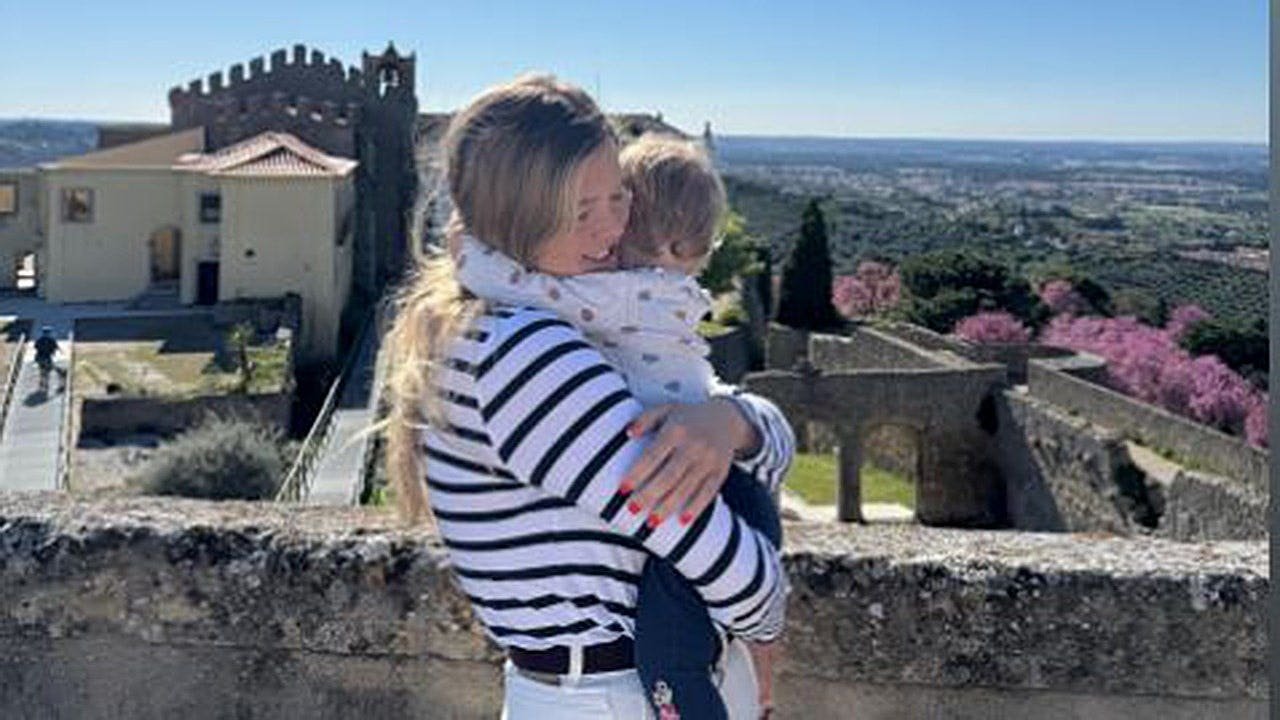
Ultimately, surviving the jaws of a great white shark was only the first, bloody chapter of Leah Stewart’s fight. Today, her mind may currently feel like its own terrifying prison, haunted by phantom pain and the inescapable echoes of June 13. Yet, the human brain, much like the body, possesses incredible plasticity and resilience. With time, intensive trauma therapy, and the unwavering support of a global community, she can eventually rewrite those neural pathways. Step by agonizing step, she will teach her nervous system that the ocean is far away, the predator is gone, and she is finally safe on dry land.