If you had “Pauline Hanson becoming Karl Stefanovic’s fiercest public defender” on your 2024 bingo card, you might just be a political psychic. In a bizarre twist to the ongoing media saga surrounding Stefanovic’s explosive exit from the Nine Network, the One Nation leader has emerged as his loudest champion. Accusing the network of trying to “sack her good friend” over an interview with UK activist Tommy Robinson, Hanson didn’t just issue a statement—she actively published the forbidden footage herself. But what is truly driving this unexpected alliance? As Hanson takes her brand of politics to the UK, her impassioned defense of Karl appears to be part of a much larger, highly calculated political strategy.
Stefanovic (left) was criticised for interviewing Robinson (right) which led him to leave Nine
The Fallout at Nine
Discover more
war
Dictionaries & Encyclopedias
Journalism & News Industry
For over two decades, Karl Stefanovic was the undisputed, affable face of mainstream Australian morning television. However, that era came to a screeching, unprecedented halt following his independent podcast interview with controversial British anti-Islamist figure Tommy Robinson. The backlash was swift and severe, culminating in Stefanovic’s abrupt departure from the Nine Network.
Since the split, Nine’s management has faced intense public and internal scrutiny over their handling of the situation. Yet, amid the corporate silence and media think-pieces, the loudest voice in the room has surprisingly come from the halls of the Senate.
Pauline Hanson (left) has sat down with Tommy Robinson (right) for a podcast interview
A Fiery, Defiant Defense
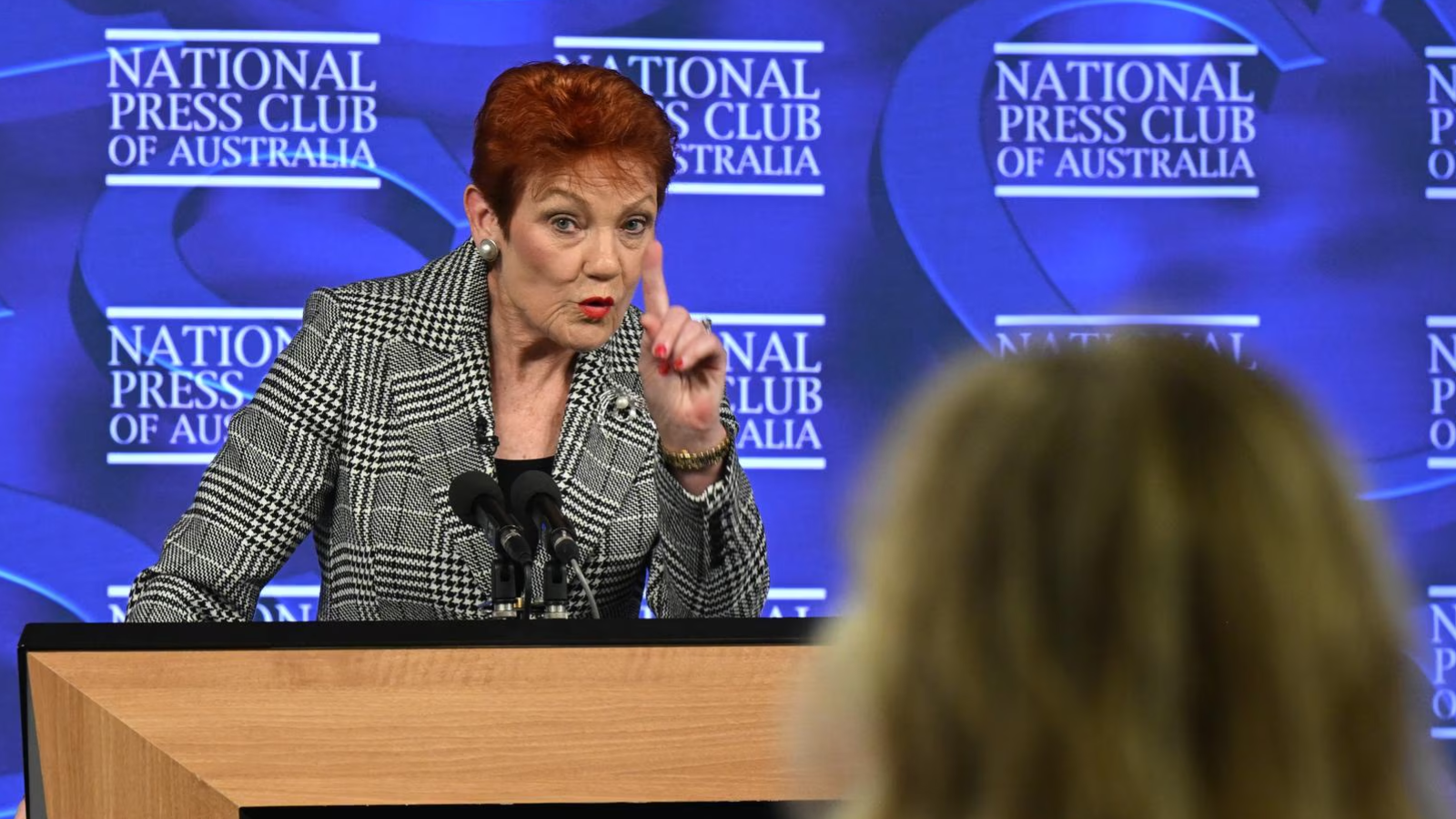
Enter Pauline Hanson. The One Nation leader took to social media with a blistering, unapologetic defense of the embattled television host. In a lengthy, fiery post, she lambasted the Nine Network, accusing the broadcaster of a massive overreaction and of punishing a veteran journalist for simply doing his job.
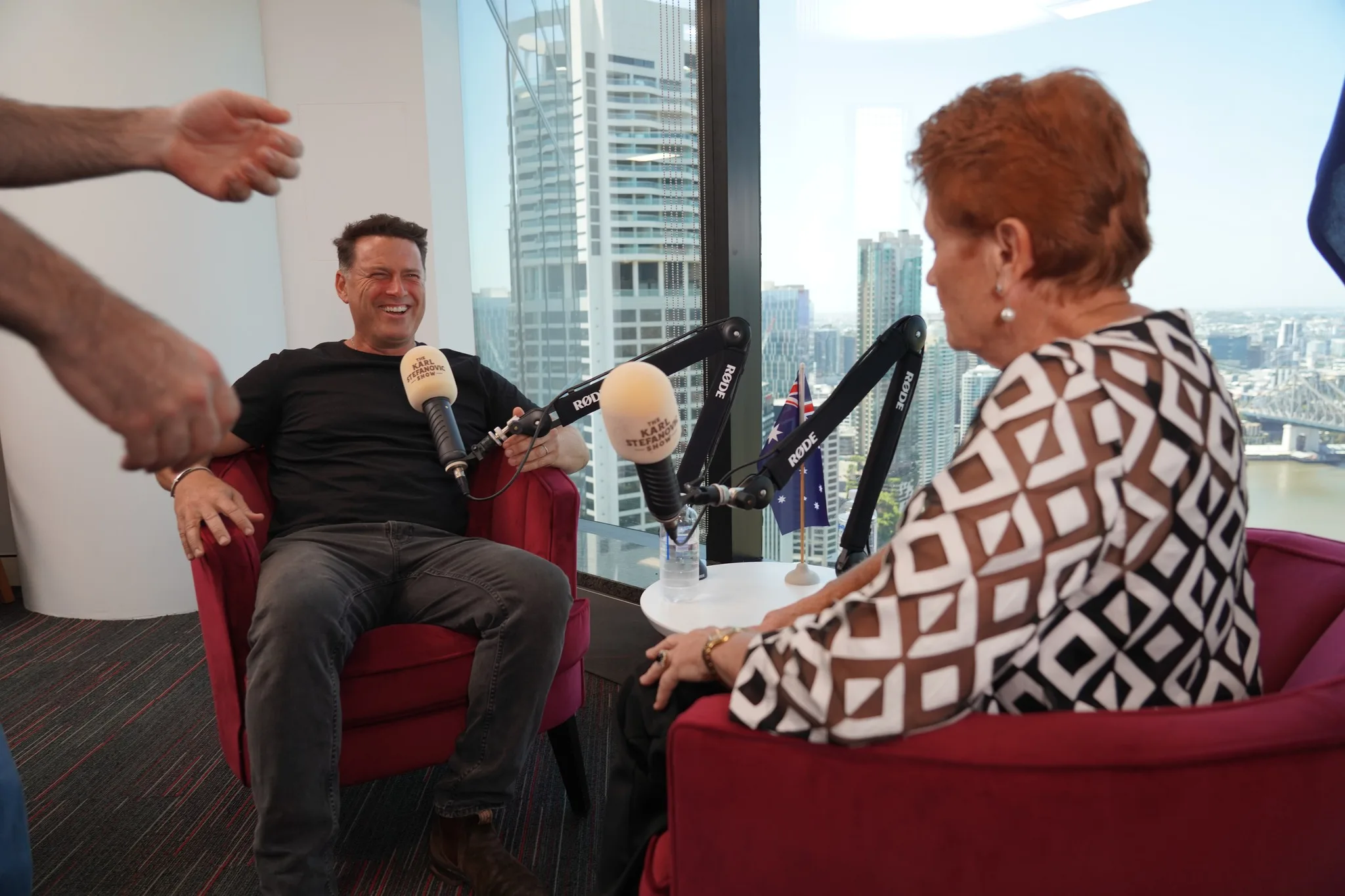
She didn’t stop at mere words; in a defiant move, Hanson uploaded clips of the very interview that cost Stefanovic his job, daring the establishment to silence her as well. She painted the network executives as out-of-touch elites terrified of the truth, boldly claiming they were trying to ruin her “good friend” for daring to step outside the prescribed corporate narrative.
The Making of a Journalistic Martyr
The true core of Hanson’s defense, however, lies in her ideological framing of the event. She didn’t just defend Karl’s right to interview a controversial figure; she actively co-opted his intent. Hanson claimed that Stefanovic was bravely trying to “bring to Australia’s attention” the severe, escalating issues of immigration and radical Islam in the United Kingdom.
By interpreting his actions through this highly specific lens, Hanson effectively transformed Karl from an unemployed breakfast host into a journalistic martyr for her own political cause. She used his career crisis as a high-profile springboard to validate her long-standing, controversial views on social cohesion, immigration, and border control.
Public Bewilderment and Online Chatter
The public reaction to this bizarre “buddy movie” dynamic has been one of sheer bewilderment. Online, social media feeds are buzzing with speculative chatter. While a specific subset of right-leaning voters is enthusiastically cheering Hanson on, the broader public is highly skeptical.
Many fans and media commentators are questioning the authenticity of this newfound alliance. Is it a genuine display of loyalty, or a masterclass in political opportunism? Is Hanson truly mourning the loss of a great Australian broadcaster, or is she simply leveraging his massive public profile to hijack the news cycle and amplify her own manifesto?

The Reluctant Poster Boy?
This raises a deeply fascinating psychological question: How does Karl Stefanovic actually feel about this? For 26 years, he masterfully navigated the middle ground of mainstream television, carefully balancing broad appeal with cheeky humor. He never explicitly claimed the mantle of a right-wing, free-speech warrior during his time at the desk.
Now, he finds himself inadvertently positioned as the reluctant poster boy for a polarizing political movement. Watching a firebrand politician use his professional downfall as a talking point for her own ideological war must be a surreal, perhaps uncomfortable, experience for a man who previously spent his mornings bantering about pop culture and cash giveaways.
An Army Born from “Cancel Culture”
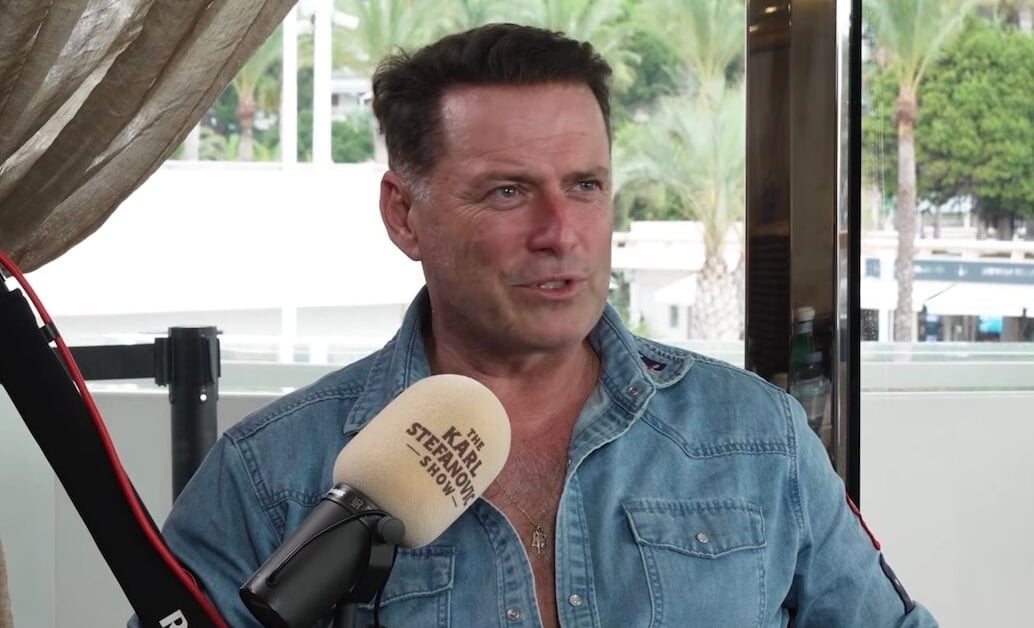
Ultimately, while Karl Stefanovic’s mainstream television chapter may have abruptly and messily closed, the fallout has birthed an entirely new reality for his career. By stumbling into the crosshairs of the culture wars, he has inadvertently gained a fiercely loyal, incredibly vocal new army of supporters. Whether he fully embraces it or not, to this new audience, he is no longer just a morning show host. He is a victim of “cancel culture,” elevated, validated, and defended by one of the country’s most uncompromising political figures.