The morning mist clung softly to the rugged New Zealand hills, wrapping around the remote film set like a quiet, protective blanket. In the center of it all stood Sam Neill. There was no entourage, no frantic rush of production assistants, and not a single complaint about the damp chill or the aching joints that usually accompanied decades of demanding physical work.
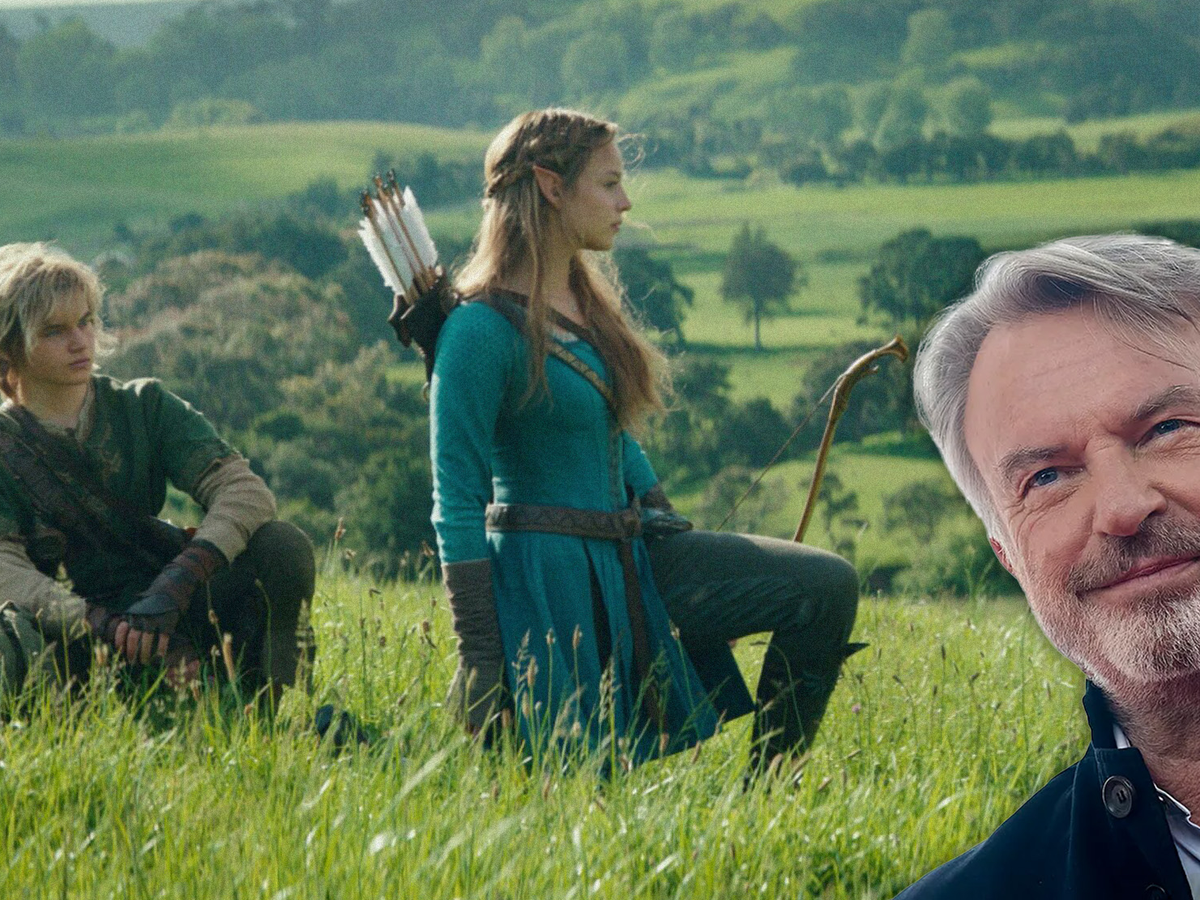
He simply stood there, breathing in the crisp air, wearing the same steady, gentle focus that had defined his legendary career for over fifty years. He looked entirely at peace, a man who had stared into the vast, uncertain abyss and had chosen to spend his borrowed time doing the only thing he truly loved: losing himself in a character.
That inner serenity carried a profound weight, forged in the crucible of a very public, hard-fought battle with angioimmunoblastic T-cell lymphoma. For months, the news had been dominated by whispers of his declining health, followed by the harrowing chemotherapy treatments that tested every ounce of his formidable spirit.

Yet, true to his understated nature, he faced the illness with characteristic wit and unyielding grace. When he joyfully announced his remission, the global film community breathed a collective sigh of relief, expecting—and hoping—that the beloved actor would retreat to the quiet pastures of his Otago vineyard to rest and heal.
Instead, Neill did something entirely unexpected. Refusing to let the shadow of his illness dictate the rhythm of his life, he deliberately chose to dive right back into the art that sustained him. Quietly, almost imperceptibly, he began stacking up unannounced projects, slipping onto independent film sets and television stages with the stealth of a wandering nomad.
He didn’t want fanfare or celebratory tours; he just wanted to work. Each script was chosen not for its box-office potential, but for its emotional resonance. He was painting his final strokes on a vast canvas, driven by a fierce, quiet urgency to leave the world with stories told right.
The emotional turning point came slowly to the crews and close colleagues who worked beside him during these final productions. At first, his unwavering dedication was simply admired as typical professional stamina.
But as the cameras rolled, a heavier, more poignant realization began to dawn. In the quiet spaces between takes, cast members and directors noticed a breathtaking depth in his performances—a luminous vulnerability that felt less like acting and more like a soul speaking its ultimate truth.
They slowly realized that these performances were his parting gifts to cinema: love letters written in celluloid, delivered with absolute humility, grace, and an unmistakable sense of closure.
When the bittersweet truth of these final creative outputs finally reached the public, a wave of profound emotion swept across the globe. Fans who had grown up watching him battle dinosaurs, decode archaeological mysteries, and anchor historical dramas were suddenly confronted with the reality of his mortality.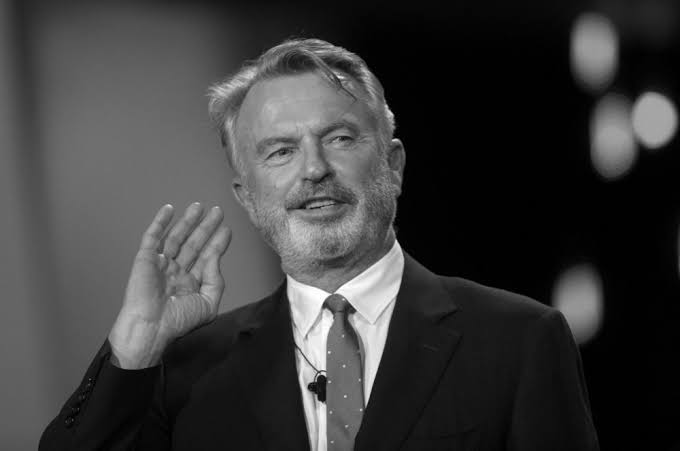
Yet, the overwhelming grief quickly transformed into a nationwide and international celebration of his resilience. Social media spaces turned into digital shrines of gratitude, filled with fans sharing favorite quotes, vintage interviews, and moving tributes to a man who had accompanied them through generations of cinematic magic.
Looking back at his final choices, Neill’s journey offers a timeless lesson about passion, dignity, and purpose. He reminded the world that acting was never truly about the blinding glare of fame, red carpets, or the pursuit of immortality through awards.
It was about the craft itself—the sacred, fleeting connection between a storyteller and an audience. By choosing to spend his final chapters working rather than retreating, he redefined what it means to face the twilight of life with intention, proving that true artistry doesn’t fade into the dark; it burns brightest right at the end.
As the sun finally dipped below the horizon on that remote set, the monitor blinked off, leaving behind a glowing, empty screen. Yet, the illusion remained intact. Somewhere in the editing rooms, his laughter still echoed, and his expressive eyes still gazed out with timeless wonder.
His physical journey had reached its peaceful conclusion, but his legacy lived on, frame by frame, reminding everyone who ever watched him that legends never truly leave the screen.