Survivor Leah Stewart Breaks Silence Over Radio Controversy Following Coogee Beach Incident
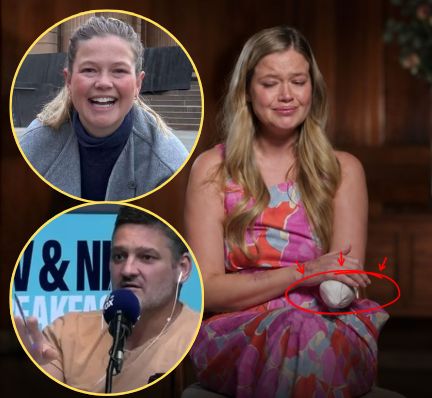
The Intersection of Survival and Public Scrutiny The complex intersection of unimaginable personal survival and intense public media scrutiny has officially reached a boiling point, as Coogee Beach survivor Leah Stewart formally addresses the escalating controversy surrounding her recent international television appearances. Following a highly publicized and perilous maritime encounter in June of this year, Stewart’s remarkably calm and collected demeanor during broadcast interviews sparked unexpected and fiercely debated commentary from prominent Australian radio personalities.
Now, the mother-of-one is setting the record straight on her own terms, shedding vital light on the intricate psychological realities of navigating severe trauma, all while a nationwide debate continues to rage regarding the ethical responsibilities of media commentators and the public’s inherent right to dissect deeply personal tales of survival.
Addressing the Composure Critique The current wave of discourse was largely catalyzed by Stewart’s recent feature on the United Kingdom’s popular breakfast program, Good Morning Britain. Viewers and critics alike were quick to note her exceptionally steady delivery and apparent lack of visible distress when recounting an event that fundamentally altered the course of her life. Recognizing the growing commentary surrounding her composure, Stewart proactively utilized her personal social media platforms to address the public’s observations, offering a profound and deeply personal insight into the human mind’s protective mechanisms.
“Truthfully, I still feel disconnected from it, almost like it happened in a dream,” she articulated directly to her followers. She astutely added, “I think that’s my mind protecting me as I begin to process it.” This candid admission highlights a well-documented psychological phenomenon where individuals experience emotional detachment in the immediate aftermath of monumental life events, effectively stalling the full weight of the incident to allow for initial physical and mental recovery.
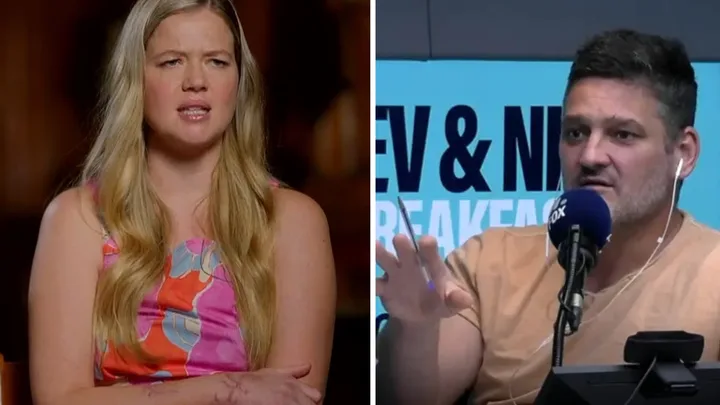
A Test of Human Endurance at Coogee Beach To fully understand the gravity of the ongoing media debate, one must look back to the events of June 13. What began as a routine swim at Sydney’s iconic Coogee Beach rapidly transformed into an ultimate test of human endurance and sheer willpower. During a sudden and severe encounter with a marine predator, Stewart found herself in an incredibly dire situation.
Demonstrating extraordinary bravery and a fierce maternal instinct to secure her future with her young daughter, August, Stewart made a series of split-second, defensive decisions. Refusing to succumb to the perilous circumstances, she courageously defended herself against the formidable threat.
While she successfully willed herself back to safety and was swiftly attended to by selfless bystanders and highly skilled medical professionals, the incident resulted in severe, life-altering injuries that required extensive, intensive medical intervention. Her survival alone is a testament to the extraordinary capabilities of human resilience.
The Broadcast Controversy Ignites However, the narrative of triumph took a controversial turn during a Monday morning broadcast on Melbourne’s widely listened-to 101.9 The Fox network. Co-hosts Brendan Fevola, Kate Langbroek, and Nick Cody engaged in an on-air discussion regarding Stewart’s preceding feature on Channel Nine’s 60 Minutes program.
It was during this specific segment that former sporting professional turned media personality Fevola openly and loudly questioned the logistical realities of Stewart’s recounted experience. Specifically, he scrutinized her assertion that she possessed the cognitive capacity and time to consciously strategize her physical defense mechanisms during the sudden, chaotic nature of the aquatic encounter.
Suggesting that the narrative might have been embellished for dramatic television effect, Fevola controversially stated that there was a significant amount of “mayo”—colloquial Australian slang for exaggeration—added to the survivor’s story.
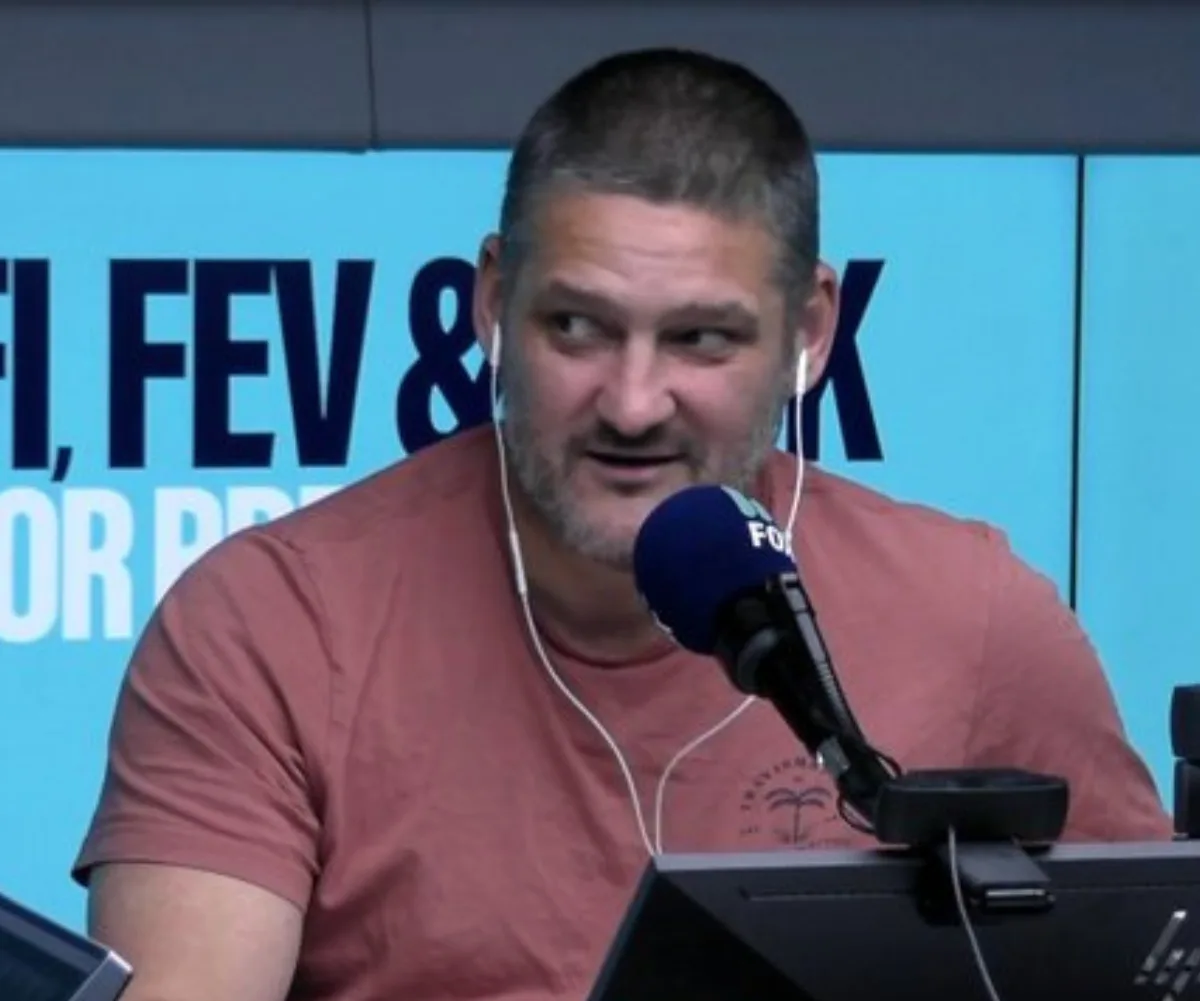
Analyzing the On-Air Dialogue The dynamic within the radio studio further highlighted the polarizing and sensitive nature of the topic at hand. Langbroek, who was stepping into the broadcast role for regular host Fifi Box, contributed to the unfolding dialogue by noting that most individuals thrust into similar extreme situations frequently report a complete lack of conscious awareness regarding the rapidly unfolding events.
While Langbroek responsibly acknowledged that none of the studio hosts could truly fathom being in such a uniquely dangerous position—pointedly remarking to her co-hosts, “Mercifully, we don’t know”—the conversation had arguably already crossed a critical line for a vast segment of the listening audience.
Fevola anchored his ongoing skepticism by referencing other high-profile marine encounters, suggesting that basic human reflex generally and universally overrides complex cognitive thought when faced with immediate, unforeseen danger. This bold assertion, broadcast directly to hundreds of thousands of morning commuters, instantly transformed a story of personal triumph into a subject of intense national division.
Public Uproar and the Defense of a Survivor The fallout from the morning radio segment was swift, uncompromising, and intensely polarized. A substantial wave of loyal listeners and general public commentators immediately flocked to digital platforms to express their profound disappointment and outrage regarding the hosts’ line of questioning. Social media comment sections rapidly evolved into digital battlegrounds of public opinion.
Advocates for Stewart vehemently defended her absolute integrity, heavily highlighting the inherent inappropriateness of scrutinizing a woman who had so recently and narrowly escaped a dire fate. Supporters passionately emphasized her extraordinary bravery, determination, and the critical, selfless actions of the initial responders.
The prevailing sentiment among her defenders was one of absolute disgust that a trauma survivor could be subjected to such intense, critical analysis simply for recounting her lived experience in a manner that did not perfectly align with a radio host’s preconceived expectations of panic and distress.
A Divided Audience and Media Cynicism Despite the overwhelming wave of public support for Stewart, maintaining strict journalistic objectivity requires acknowledging that the radio hosts’ skepticism did, in fact, resonate with a specific and vocal faction of the audience. A minority emerged online to defend Fevola’s fundamental right to question narratives presented on commercial television platforms.
These individuals pointed to the established, often lucrative ecosystem of media interviews, potential publishing deals, and the motivational speaking circuit that frequently follows high-profile survival stories. Some commentators openly agreed with the suggestion of narrative embellishment, suggesting that the dramatic recounting of the event may have been slightly tailored for maximum television impact.
This particular perspective underscores a growing, undeniable public cynicism toward media-packaged narratives, even those firmly rooted in genuine personal tragedy, highlighting the incredibly delicate balance between sharing a harrowing survival story and the subsequent public commodification of that deeply personal experience.
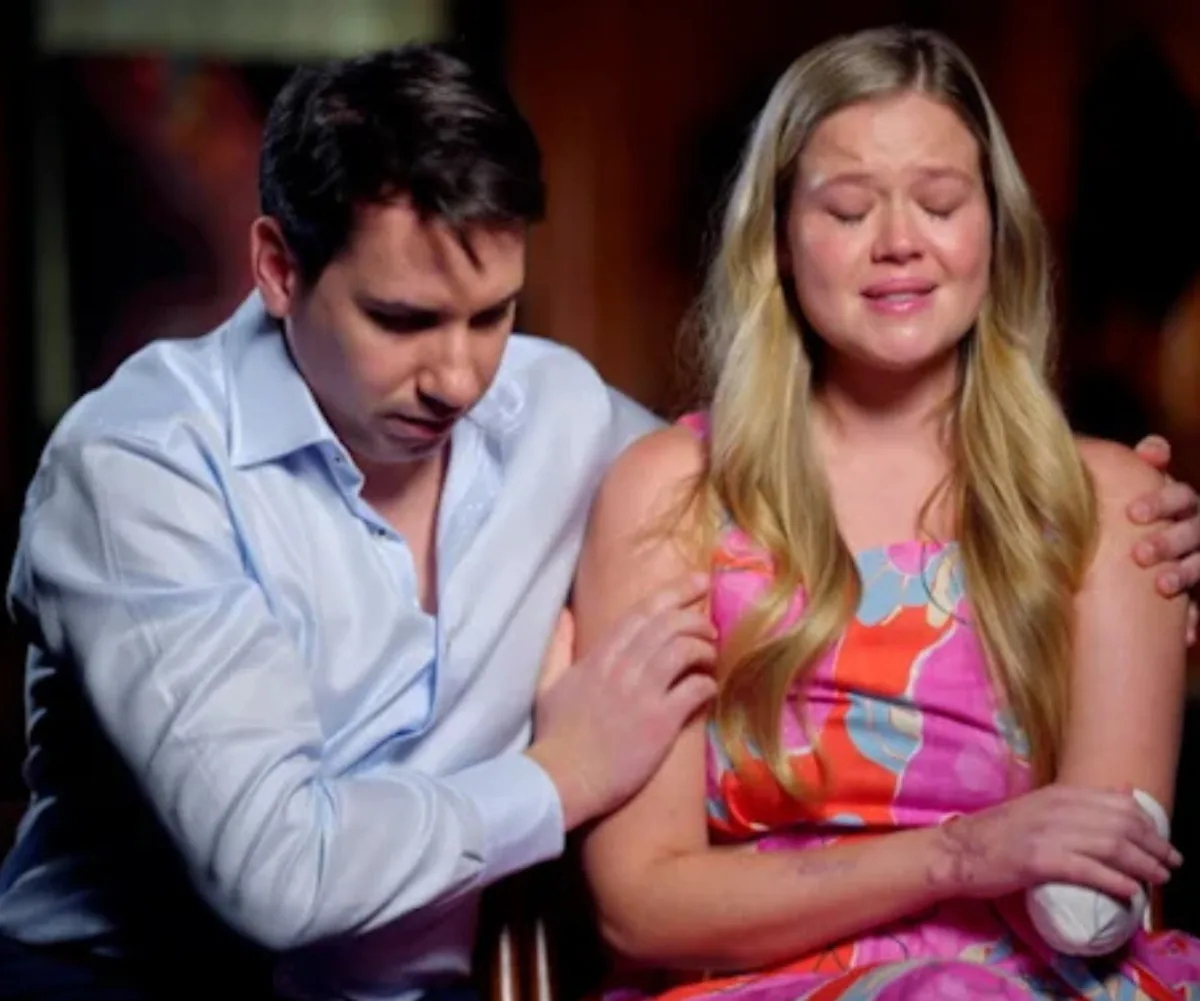
The Broader Implications of Trauma Scrutiny The broader implication of this unfolding media saga extends far beyond the specific individuals involved in the immediate controversy. It raises pressing, uncomfortable questions about exactly how modern society consumes, critiques, and expects victims to process stories of extreme survival.
Psychological experts frequently and consistently note that trauma responses vary wildly among individuals; there is absolutely no standardized, expected, or “correct” way to process or publicly discuss a life-altering event. By placing a survivor’s demeanor, emotional affect, and memory recall under a microscopic lens of public skepticism, commentators risk inadvertently perpetuating a harmful culture where victims feel intensely pressured to perform their trauma in a specific way that satisfies the public’s thirst for visible distress.
Looking Toward the Future As the vigorous discourse continues to swirl across broadcast waves and digital feeds, Leah Stewart remains steadfastly focused on the long, complex, and deeply personal road to physical and emotional recovery. The harrowing incident at Coogee Beach will forever remain a profound testament to her unyielding will to survive and return to her family.
Meanwhile, the ensuing media controversy serves as a stark, undeniable reminder of the intense scrutiny that automatically accompanies public life in the modern broadcast landscape. It prompts a highly necessary societal reflection on the ethical boundaries of media commentary, the complex realities of processing trauma, and the fundamental respect owe