For decades, the unwritten contract between Australian sports fans and their idols has been rigidly defined: perform miracles on the weekend, sign the autographs, smile for the cameras, and leave the heavy lifting of societal debates to the politicians and pundits.
The phrase “stick to sports” has been weaponized repeatedly to keep athletes in a comfortable, non-threatening box.
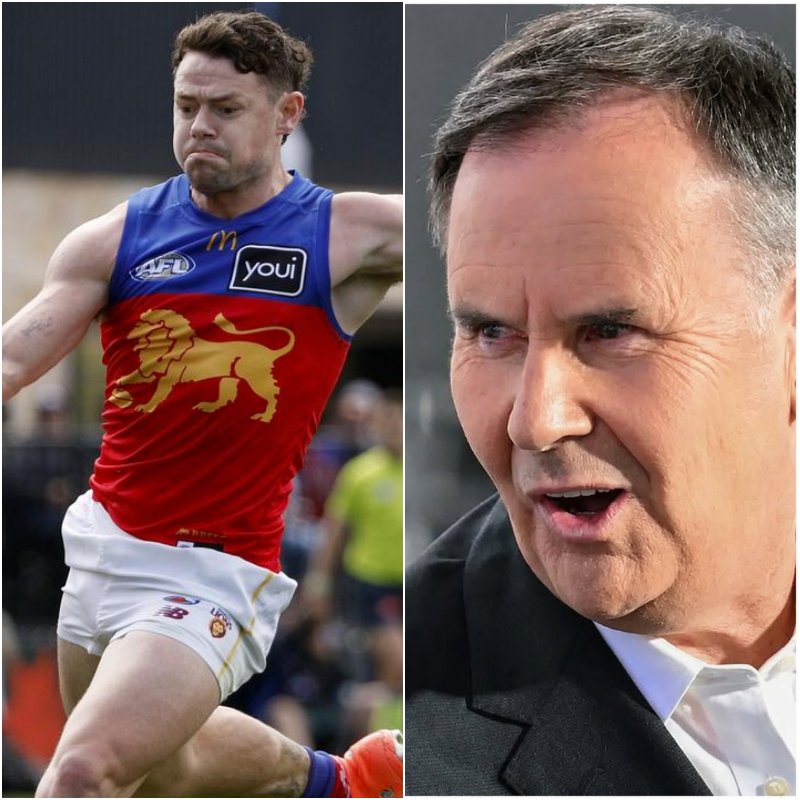
However, live television audiences recently witnessed the spectacular dismantling of this outdated trope.
During a heated panel discussion regarding the escalating cost-of-living crisis across Australia, veteran television journalist Tony Jones attempted to put Brisbane Lions co-captain Lachie Neale in his place.
Instead, he inadvertently provided the platform for one of the most poignant, devastatingly articulate, and viral television moments of the year.
The Scene: A Clashing of Worlds The evening broadcast was meant to be a standard, heavy-hitting political panel show.
The topics of the hour were grim: skyrocketing inflation, a punishing housing crisis, and power bills that are stretching ordinary working families to their absolute breaking points.
Lachie Neale, a two-time Brownlow Medalist revered for his elite midfield skills and composed leadership on the field, was invited as a guest to offer a community-focused perspective.
As the conversation naturally turned toward the tangible impact of these economic pressures on everyday Australians, Neale offered a grounded, empathetic argument about the immense stress he sees within the community.
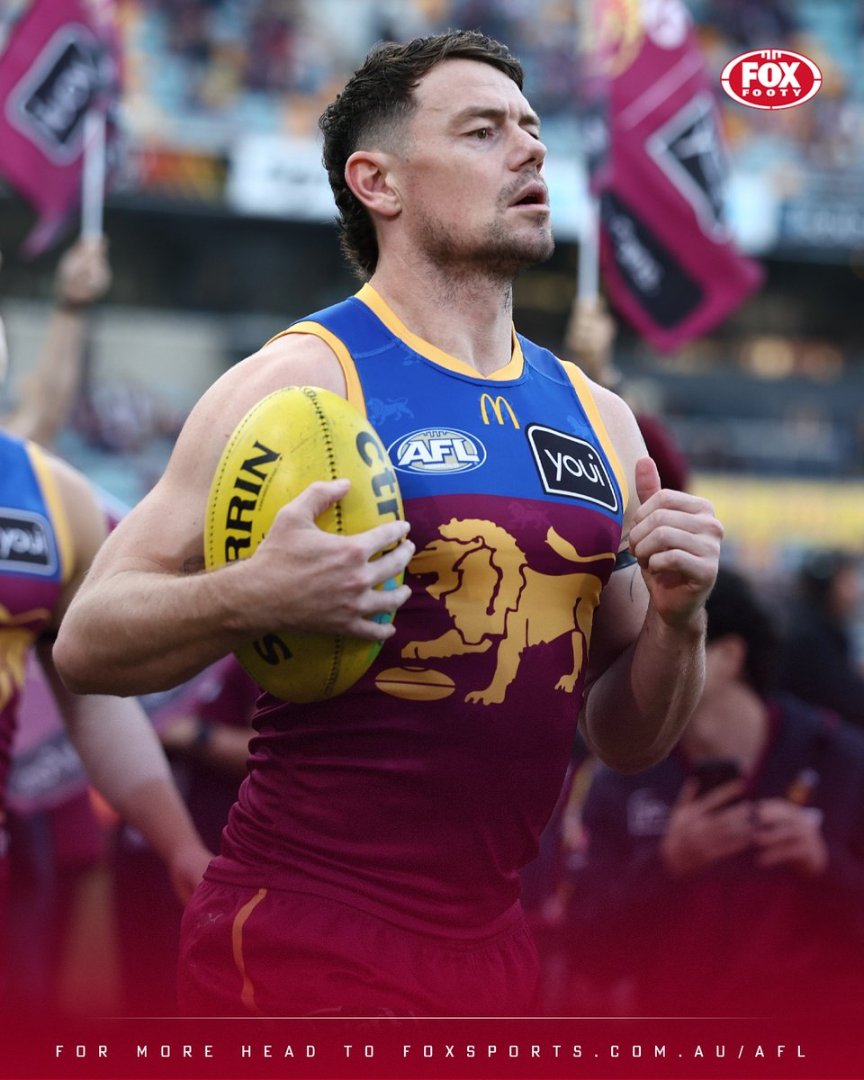
Rather than engage with the substance of Neale’s earnest observations, Tony Jones resorted to a shockingly dismissive, patronizing counter-attack.
“Stick to footy, Lachie,” Jones scoffed, letting out a dismissive laugh as he physically leaned away from the athlete.
“Politics is a lot more complicated than winning clearances on the weekend. Leave these conversations to the experts.”
The Pivot: A Leader Speaks The studio audience instantly froze. The tension in the room spiked.
A few of the other media panellists exchanged knowing smirks, fully expecting the familiar archetype of a media-trained professional athlete to take the high road.
The assumption was that Neale would flash his trademark polite smile, offer a self-deprecating PR-friendly remark, and quietly retreat back into the comfortable realm of sports clichés.
They could not have been more wrong.
The polite, camera-ready smile that Brisbane Lions fans see at the Gabba every weekend vanished entirely.
Neale did not raise his voice, nor did he allow frustration to dictate his tone.
Instead, he simply leaned forward, locking eyes with Jones with a fierce, unwavering determination—the exact same hyper-focused demeanor that has helped him navigate countless high-stakes finals matches.
“Tony,” Neale said evenly, refusing to break eye contact.
“I may earn a living playing footy, but that doesn’t mean I don’t understand what ordinary Aussies are going through out there.”
The silence in the studio deepened, becoming heavy and absolute.
The Reality of the Grassroots Neale proceeded to deliver a perfectly articulated monologue that contrasted the insulated, echo-chamber world of political media with the harsh realities of the communities he represents every time he pulls on the maroon, blue, and gold guernsey.
“I spend time with people from every walk of life,” Neale continued, his voice echoing with undeniable sincerity.
“Teammates, loyal supporters, families, tradesmen, and students.
I hear their stories every single week at training sessions, after games, and at community camps.
I know exactly what it feels like when people are stressed about paying their power bills, finding affordable housing, or simply trying to put food on the table for their kids.”
He exposed the fatal flaw in the journalist’s logic: the idea that an athlete’s profession instantly severs their connection to the real world.
The condescending smirks around the studio instantly evaporated.
“True leadership,” the Lions co-captain continued, his voice steady and commanding, “isn’t about looking down on someone from a TV studio because of their profession.
It’s about actually listening. It’s about understanding that real struggles—and real solutions—come from everywhere.
Not just from politicians, journos, or people sitting comfortably behind a desk.”
The Aftermath: A Viral Sensation As Neale concluded his response, he delivered a final, undeniable truth that struck at the very heart of Australian egalitarianism.
“What divides Australians,” he stated firmly, “is when we start believing that some voices matter more than others.
Every Aussie deserves to be heard, whether they work in an office, on a construction site, in a hospital, or on a footy field.”
For the first time in the history of the broadcast, the famously quick-witted host was completely at a loss for words.
Jones had not been contradicted by a veteran politician armed with statistics; he had been thoroughly outmaneuvered by a footballer whose emotional intelligence and frankness carried a weight that simply could not be brushed aside.
Within minutes of the broadcast concluding, the clip was circulating across every major social media platform.
It transcended the traditional boundaries of sports media.
It was shared by community organizers, working-class families, and even fans of fierce rival AFL clubs who put aside their traditional biases to applaud the Brisbane star.
A New Blueprint for the Modern Athlete This exchange serves as a cultural watershed moment regarding how society views athletes.
The “stick to sports” narrative is fundamentally designed to silence voices that have unparalleled access to the general public.
Lachie Neale refused to accept that narrative. He demonstrated that athletic brilliance and civic awareness are not mutually exclusive.
In just two minutes of unscripted, live television, the Brisbane Lions superstar proved that wearing a guernsey does not strip an individual of their empathy, their perspective, or their right to speak out.
He reminded the nation that before they are clearance-winning machines or goal-kicking heroes, athletes are human beings deeply woven into the fabric of their communities.
And sometimes, it takes a footy player to remind the “experts” what true leadership actually sounds like.