Independent MP Helen Haines remains in a stable condition after suffering life-changing
following an incident near her Wangaratta electorate office. Her husband, Phil Haines, has now spoken publicly about what lies ahead — while revealing the qualities he believes will help carry her through a long recovery.
Phil Haines speaks publicly about his wife’s condition
Helen Haines’ husband has given a deeply personal update on the independent MP’s condition, confirming the extent of the injuries she suffered earlier this week.
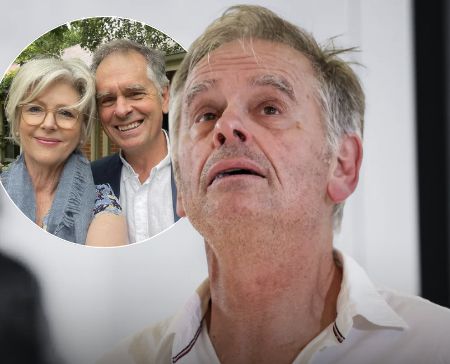
Speaking to the media on Wednesday, Phil Haines said Helen was alive and stable after undergoing major medical treatment following Monday’s events in Wangaratta, north-east Victoria.
Helen, 65, had already undergone an amputation of her left leg. Doctors had hoped they might be able to save her right leg, but Phil confirmed that this had ultimately not been possible.
She has now lost both legs as a result of her injuries.
The family is focusing on what has not changed
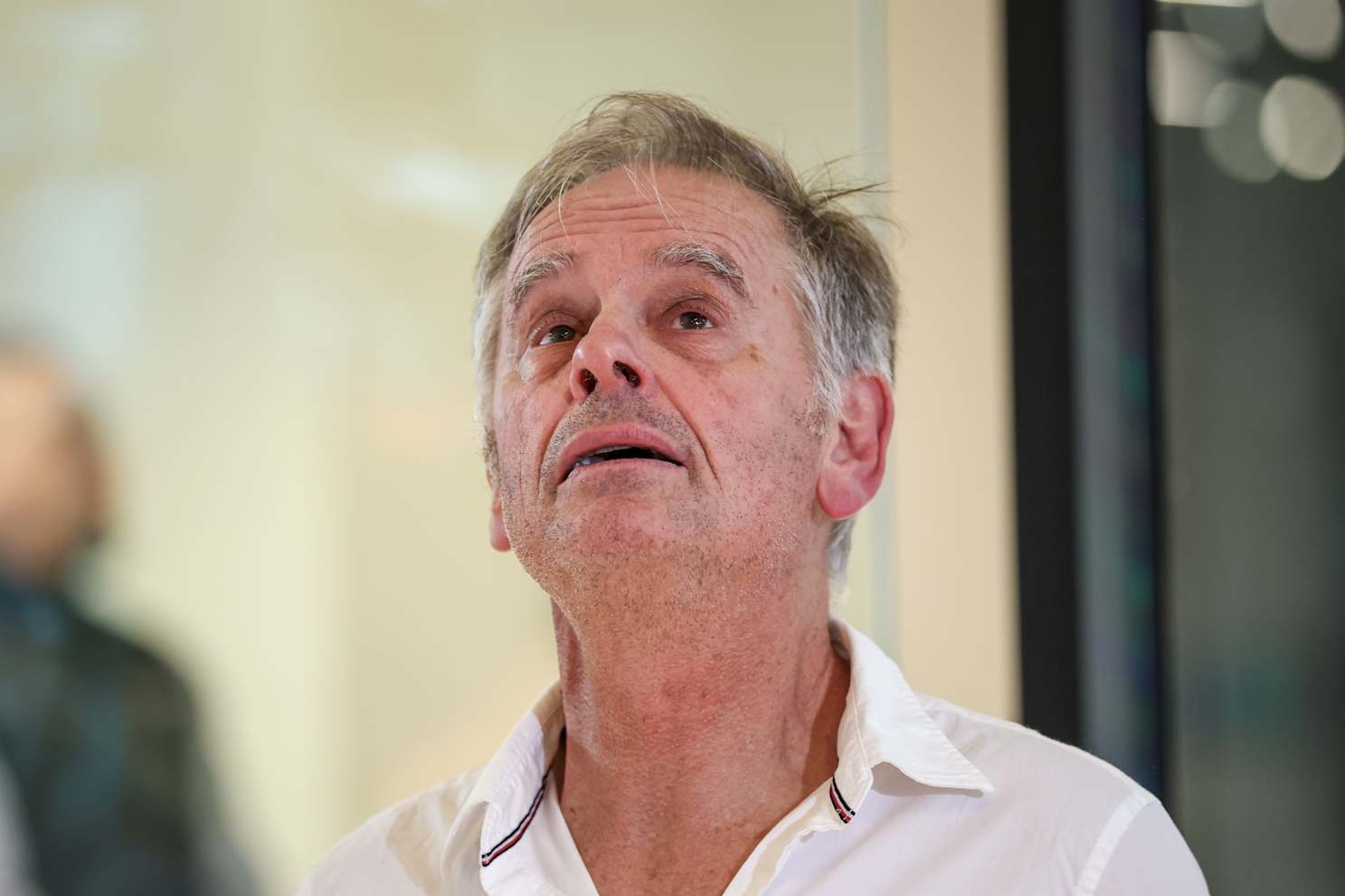
While the physical impact has been enormous, Phil’s message focused just as strongly on the parts of Helen he says remain unchanged.
He told reporters that, for the two of the most important things about Helen are her heart and her mind.
Phil described his wife as compassionate, caring and loving, while also praising the sharp intellect that has defined much of her public and private life.
For the Haines family, those qualities remain central to how they see Helen as she begins to confront a dramatically different future.
“She is a determined person”
Phil also acknowledged that the next stage will not be easy.
“Helen’s road to recovery will be long and difficult,” he said, before describing her as a fighter.
He added that Helen is a determined person who will do her best to recover with the love and support of those around her.
Those words have become one of the strongest parts of the family’s update — not because they lessen the seriousness of what has happened, but because they show where their attention is now turning.
The focus is no longer only on the injuries Helen suffered, but on how she will begin to rebuild her life from here.
A deeply personal milestone is also approaching
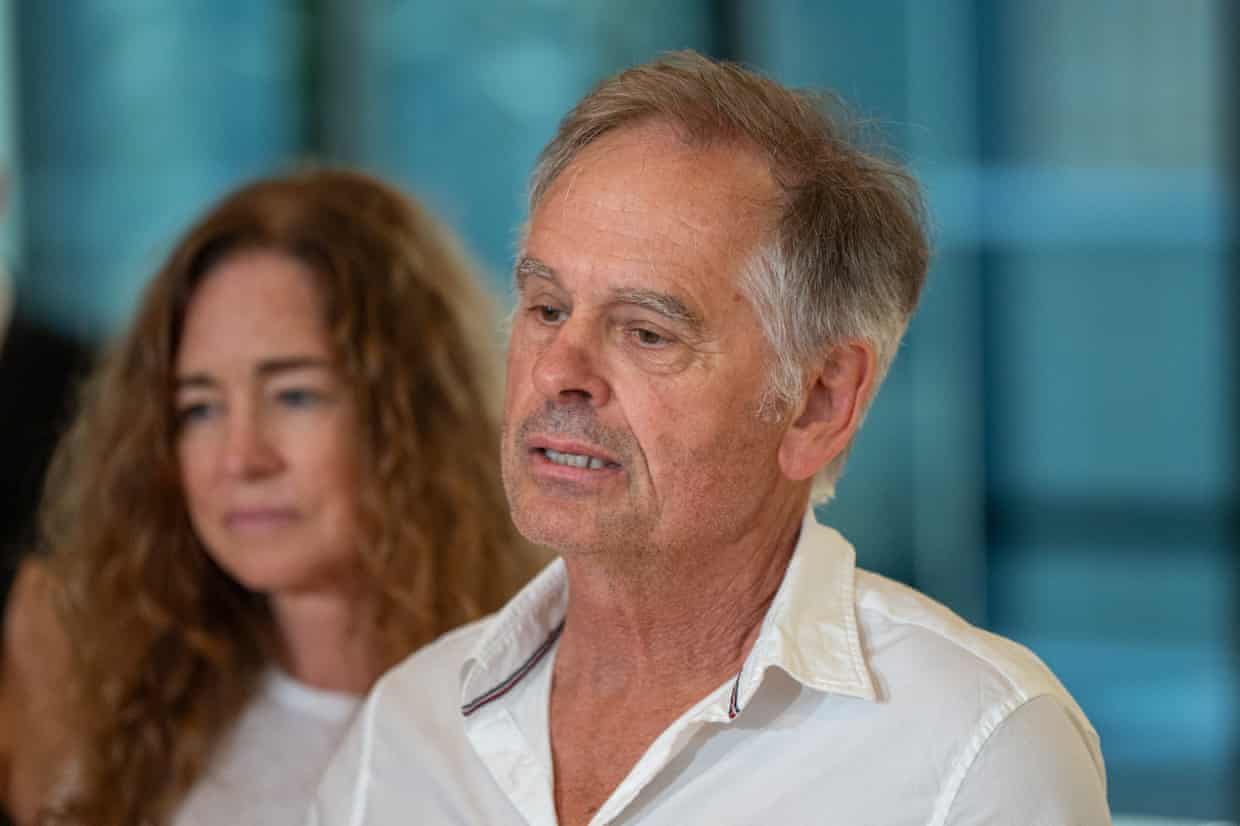
Phil’s update also included a detail that placed the moment in an even more personal context.
He said he and Helen are due to celebrate their 40th wedding anniversary next month.
That milestone now comes as the couple and their family face a recovery period none of them could have expected just days earlier.
What is known about Monday’s incident
Helen suffered serious injuries on Monday near her electorate office in Wangaratta.
Authorities allege the events were deliberate and that Helen was specifically involved in what unfolded.
A 43-year-old man was arrested and has since been charged in connection with the incident.
The case has prompted widespread concern across Australian politics and within the Wangaratta community, where Helen has represented the federal seat of Indi since 2019.
Authorities have continued to investigate the circumstances surrounding what happened.
Wangaratta rallies around its local MP
In the days since the incident, messages of support have appeared outside Helen’s electorate office as residents respond to what has happened to one of the region’s most prominent public representatives.
Political figures from across the country have also expressed support for Helen and her family.
The case has prompted a wider conversation about the safety of elected representatives, although Phil’s remarks on Wednesday remained firmly focused on his wife and her recovery.
A long recovery now begins
There is still a difficult medical and personal journey ahead for Helen.
But Phil’s update made clear that the family is approaching that future by focusing on the qualities they believe have always defined her.
Her injuries have changed what the months ahead will look like.
What has not changed, according to her husband, is the determination, compassion and strength of mind with which Helen will now face them.
Source: The Guardian, 21 October 2026; statements from Phil Haines and reporting on the incident in Wangaratta.
“THE FIGHT AHEAD WON’T BE EASY…” Leading Surgeon Reveals the One Thing That Could Determine What Comes Next for Helen Haines After the Life-Changing Ordeal
Helen Haines remains in hospital after undergoing marathon surgery following what happened outside her Wangaratta electorate office. As doctors work through the immediate challenges, an experienced orthopaedic surgeon has explained why a patient’s outlook can become an important part of recovery after a life-changing injury.
Helen Haines Remains in Hospital After Marathon Surgery

Independent MP for Indi Helen Haines remains in hospital after suffering severe injuries outside her electorate office in Wangaratta.
She was airlifted to The Alfred hospital in Melbourne and underwent surgery on Monday night and again on Tuesday.
According to the original report, Helen has lost one leg, while doctors and nurses spent hours on Tuesday working to save the other.
“A Lot Depends on the Patient’s Outlook”

Professor Harris is not involved in Helen’s treatment and said his observations were general rather than a specific assessment of her condition.
Speaking about patients recovering from serious injuries and amputations more broadly, he said mindset can play an important role in how people adapt.
“A lot depends on the patient’s outlook on life and how they view obstacles when they come their way,” Professor Harris said.
He said his years working with patients facing amputations had shown him how adaptable people can be, even when they initially struggle to process what has happened.
For some patients, accepting a major physical change can take time.
But Professor Harris said people often begin to see their circumstances differently once they understand what future treatment and rehabilitation may allow them to do.
Why Doctors Sometimes Face Difficult Choices

Professor Harris also explained the difficult conversations that can arise when a limb has been damaged so badly that preserving it may not provide useful function.
Patients can understandably be reluctant to consider amputation.
But in some cases, he said doctors may have to explain that keeping a badly damaged limb does not necessarily mean it will remain functional.
A prosthetic limb may ultimately offer greater mobility in certain circumstances.
These decisions depend on the individual patient, the extent of their injuries and the judgment of the medical team treating them.
Professor Harris stressed that his comments were general observations about this type of medical care, rather than a description of decisions being made specifically in Helen’s case.
Helen’s Nursing Background Could Help Her Understand the Process
Before entering politics, Helen worked as a nurse and midwife.
Professor Harris believes that experience may help her better understand the medical environment around her and the reasons behind difficult treatment decisions.
He said someone with experience in healthcare is more likely to have some understanding of what doctors are assessing and why particular procedures may be necessary.
That does not make the physical or emotional adjustment easy.
But it may give Helen a stronger understanding of the process she is facing.
Professor Harris said patients recovering from major injuries often have to adapt not only physically, but also to a life that may look different from the one they knew before.
Recovery Can Extend Far Beyond the Operating Room
An amputation is not the end of medical treatment.
Professor Harris explained that doctors first need to allow damaged tissue and other injuries to heal.
Professor Harris’ comments do not amount to a prognosis for Helen.
He does not know her personally and is not part of the team treating her at The Alfred.
Instead, his observations offer a broader picture of what patients can face after major injuries and amputations.
Medical treatment, healing and rehabilitation will all matter.
But he said the way a patient psychologically adapts to a new reality can also influence how they approach the recovery process.
For Helen, the details of that recovery will ultimately depend on her own medical team and how her condition develops.
What is clear is that the journey can extend well beyond surgery — through healing, rehabilitation and the gradual process of adapting to life after a profound physical change.
Legal Proceedings Continue
According to the original report, Brendan Nugent has been charged over the alleged attack on Dr Haines and is expected to appear in court on Wednesday.
The allegations remain before the courts.
Depending on the individual case, additional treatment may include reconstructive procedures, plastic surgery or skin grafts.
Once healing has progressed far enough, rehabilitation can begin.
For patients who are able to use a prosthesis, that process may include fitting the artificial limb and learning how to stand, walk and move with it.
Professor Harris said modern prosthetic limbs can allow many people to regain significant mobility and independence.
“People can function very well with artificial limbs these days,” he said.
The exact course and outcome, however, varies between patients and depends on the nature of their injuries and their individual recovery.
The Psychological Adjustment Can Be Just as Significant
Professor Harris said one of the biggest challenges following a life-changing injury can be accepting that some parts of everyday life may have to change.
That adjustment can be particularly difficult for people whose jobs depend heavily on physical mobility.
Someone working in a physically demanding occupation may have to consider retraining or changing the way they work, while people in other professions may be able to return to their roles more easily.
His broader point was that recovery is not only about what happens during surgery.
It can also involve rebuilding confidence, adapting to new limitations and learning how to approach everyday life differently.
That is why he believes a patient’s outlook can matter so much during the months that follow.
Support Grows Across Helen’s Community
As Helen remains in hospital, the response in Wangaratta and across the Indi electorate has reflected how deeply she is connected to the community.
Messages and tributes have been left outside her electorate office.
The reaction has also highlighted the many roles Helen has held throughout her life — as a politician, nurse, midwife, mother and grandmother.
For supporters, attention is now firmly focused on her treatment and recovery.
Her previous experience in healthcare has also become an important part of the discussion around the long road ahead.